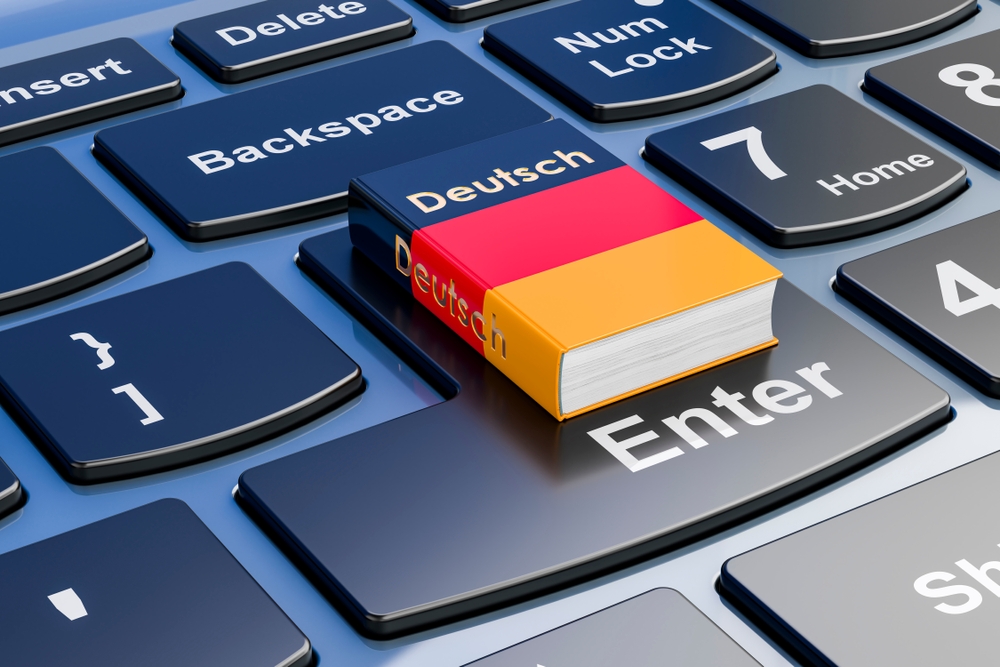
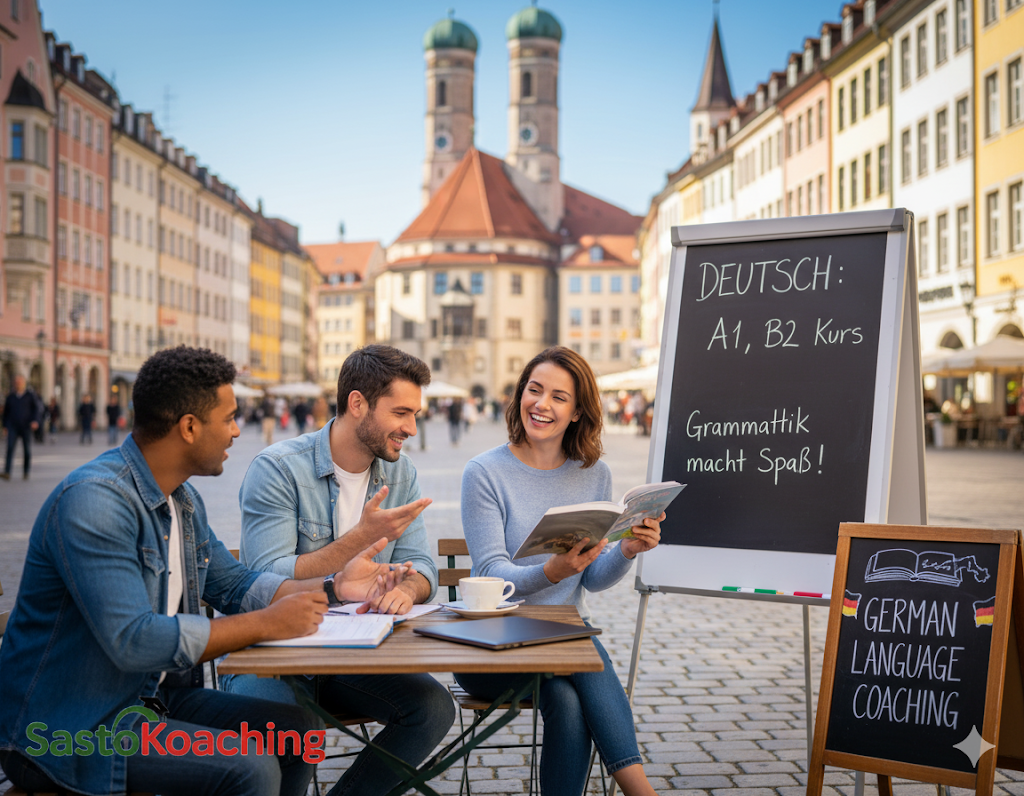
German, or Deutsch, is a West Germanic language that holds a prominent place in Europe and around the world. It is the official language of Germany, Austria, and Liechtenstein, and one of the official languages of Switzerland, Belgium, and Luxembourg. With over 100 million native speakers and millions more learning it as a second language, German is the most widely spoken native language in the European Union. Known for its precision and logical structure, German has played a key role in science, philosophy, literature, and the arts. Famous thinkers and writers such as Goethe, Schiller, Kant, and Einstein have contributed to global knowledge in German, making it a language of culture, intellect, and innovation.
Learning German opens a world of opportunities in education, career, and travel. Germany is Europe’s largest economy and a global leader in engineering, technology, and research. Knowing German can give you a competitive edge in international business, trade, and professional collaboration. It is also valuable for students seeking higher education, as many German universities offer high-quality programs with little or no tuition fees, attracting learners worldwide. Mastering German allows students to fully participate in academic life, research, and professional networks in German-speaking countries.
Beyond practical advantages, learning German also enriches personal growth and cultural understanding. The language provides access to Germany’s rich history, philosophy, music, and arts. German literature, including works by Goethe, Kafka, and Thomas Mann, offers deep insights into human thought and society. German cinema, music, and festivals like Oktoberfest allow learners to experience culture firsthand, making the language an immersive gateway to European traditions.
In today’s interconnected world, learning German enhances communication, critical thinking, and adaptability. It allows you to connect with millions of people, explore diverse perspectives, and access knowledge not always available in translation. Whether for professional advancement, academic opportunities, cultural exploration, or personal enrichment, learning German is a powerful tool that opens doors, broadens horizons, and strengthens global understanding.
In conclusion, German is more than just a language; it is a bridge to education, career growth, culture, and global communication. Investing time in learning German can provide lifelong benefits, helping learners succeed academically, professionally, and personally while connecting with one of the most influential languages in the world.